
How to Avoid Contractor Scams in Ohio by Comparing Quotes
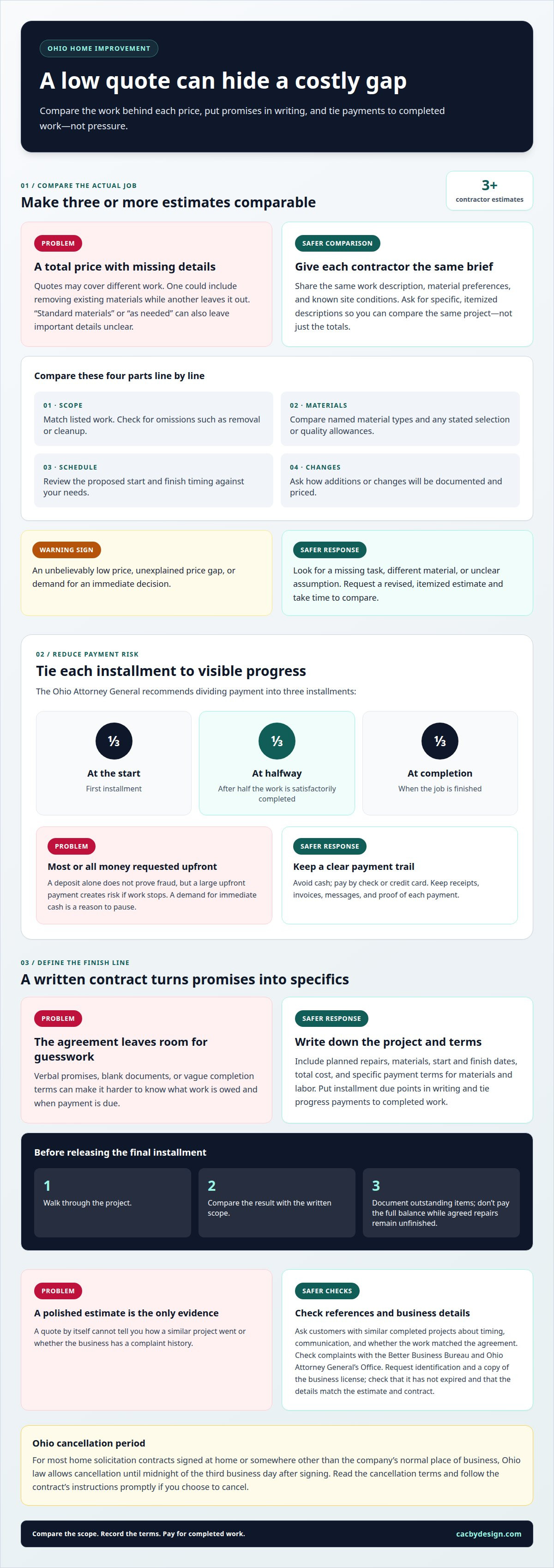
The lowest quote can become the costliest mistake. Avoiding contractor scams in Ohio starts with comparing estimates from at least three contractors, then matching the scope, materials, schedule, and payment terms line by line. The Ohio Attorney General recommends paying in installments: one-third at the start, one-third after half the work is satisfactorily completed, and the final one-third when the job is finished.
It’s reasonable to focus on the bottom line, but a total price means little if the work included is unclear or the payment schedule puts too much money at risk. A detailed written contract, credible references, and a clearly defined finish line give you a stronger basis for choosing.
This guide explains how to compare quotes fairly, spot warning signs, and get promises in writing before work begins. You’ll also learn to keep payment records and hold the final payment until the work is complete. The goal is a decision based on evidence, not pressure.
Table of Contents
1. Withholding final payment until work is complete
Tie the final payment to completed work, not a contractor’s promise to return. Don’t sign a completion certificate or pay the full balance while agreed repairs remain unfinished. Walk through the project, compare the result with the written scope, and document any outstanding items before releasing the final installment. A deposit alone doesn’t prove fraud, but a demand for all or most of the money upfront creates risk if work stops.
Ohio’s Attorney General recommends installments: one-third at the start, one-third after half the work is satisfactorily completed, and one-third when the job is finished. The Attorney General also advises avoiding cash, which leaves a limited payment trail, and avoiding a large down payment. Pay by check or credit card, and keep receipts, invoices, messages, and proof of each payment. High-pressure demands for immediate cash are a reason to pause and follow these safeguards.
An Ohio home improvement contract should identify the work, start and finish dates, total cost, and specific payment terms for materials and labor. Put each installment’s due point in writing and tie progress payments to completed work. The Ohio Attorney General advises getting promises in writing. This gives both sides a clear record of what completion means and when payment is due.
If a contractor takes a deposit and stops work, save the contract, receipts, and messages, then request a written update and a plan to complete the agreed work. Don’t pay additional money simply because of pressure. Ohioans who believe a contractor defrauded them can contact the Ohio Department of Insurance at 800-686-1527; suspected insurance fraud can also be reported to the National Insurance Crime Bureau at 800-TEL-NICB (800-835-6422).
For contractor certification information, call the Federal Emergency Management Agency at 800-621-FEMA (3362); FEMA does not certify or approve individual contractors or loan companies. Keep that distinction clear when a contractor claims FEMA approval. A caller can provide information, but that call does not verify an individual contractor’s credentials.
2. Comparing contractor quotes
Get estimates from at least three contractors before choosing. This gives you a useful comparison only if each estimate covers the same project. Give each contractor the same work description, material preferences, and known site conditions. If one quote includes removing existing materials and another doesn’t, their totals don’t cover the same job. A consistent comparison is one practical step toward avoiding contractor scams in Ohio.
Build a side-by-side comparison instead of sorting quotes from lowest to highest. Check what work is included, which materials are named, what tasks are excluded, and whether each proposed schedule meets your needs. Flag unclear phrases such as “standard materials” or “as needed.” Ask for specific descriptions in the estimate so you can compare the scope rather than guess what each contractor means.
Scope: Match the listed work and identify omissions, such as removal or cleanup.
Materials: Compare named material types and any stated selection or quality allowances.
Schedule: Review the proposed start and finish timing for each estimate.
Changes: Find out how additions or changes to the agreed work will be documented and priced.
A lower total deserves closer review, not automatic rejection. The Ohio Attorney General warns consumers to be suspicious of unbelievably low prices. Look for the reason behind a price gap: a missing task, a different material, or an assumption that could change once work starts. If the estimate doesn’t explain the difference, request a revised, itemized version before deciding.
Take time to compare written estimates and avoid choosing under pressure. For homeowners focused on avoiding contractor scams in Ohio, an unexplained demand for an immediate decision is a reason to pause. A contractor who insists you decide quickly can prevent you from checking whether the scope and terms align. For a remodeling project, a clear scope also helps organize design choices; kitchen project planning can help frame those decisions.
3. Written contracts and references
A signed contract should turn every verbal promise into a specific deliverable. The Ohio Attorney General says a home improvement contract should state the total cost and specific payment terms for materials and labor. Also include the planned repairs, start and finish dates, and materials. Read every page before signing, and don’t sign blank or incomplete documents. Keep a copy of the final version and any written changes.
Ohio law allows a buyer to cancel a home solicitation sale until midnight of the third business day after signing the agreement or offer to purchase, according to the Ohio Legislative Service Commission. The Home Solicitation Sales Act provides a three-day cancellation period for most contracts signed at home or somewhere other than the company’s normal place of business. Read the cancellation terms and follow the contract’s instructions promptly if you choose to cancel.
References can tell you more than a polished estimate. Ask for customers with completed projects similar to yours, then ask about the schedule, communication, and whether the finished work matched the agreement. Check contractor complaints with the Better Business Bureau and the Ohio Attorney General’s Office. The Ohio Attorney General also advises searching online for the business and the names of people involved.
To verify identity and business details, request identification showing the contractor’s name and business name, along with a copy of the business license. Check that the license hasn’t expired, and compare its details with the name on the estimate and contract. Ohio homeowners can contact the Ohio Department of Commerce and the Ohio Secretary of State’s Office for information about contractor licensing and registration. Firsthand references and consistent business details are more useful evidence than an unsupported claim about years in business.
4. What are common contractor scams reported in Ohio, and what warning signs should homeowners look for?
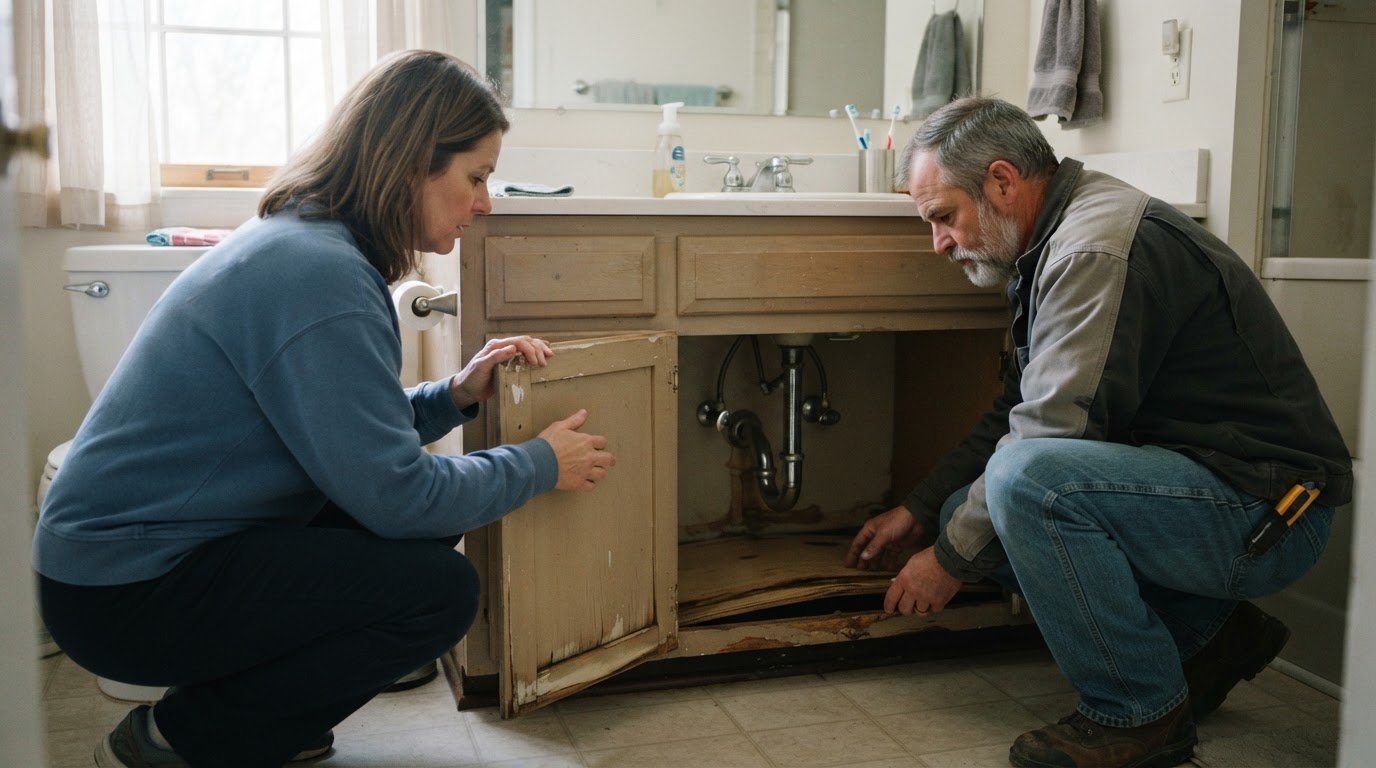
Some warning signs appear before work begins. A door-to-door salesperson may claim your home needs urgent repairs, but that claim alone doesn’t prove damage or establish a company’s legitimacy. Be cautious if someone wants to inspect your property while you’re away. A dishonest contractor could damage property during an inspection, then present that damage as proof that repairs are needed.
The Ohio Attorney General warns consumers about unbelievably low prices and claims of leftover materials from a nearby job. In this pitch, a contractor offers a deal using supplies supposedly left over from a canceled project. The work may involve poor materials or produce a weak result, such as a driveway coating that washes off in the first rain. Treat the story as a sales claim, not proof of value.
Insurance pressure is another red flag. A contractor may urge you to inflate storm damage or sign an assignment of benefits, which lets a third party act for you and receive insurance payments directly. Don’t give a contractor power of attorney or permission to negotiate or settle your claim. Contact your insurance company before hiring for an insurance claim, and report suspected contractor fraud to the Ohio Department of Insurance.
Read every document before signing. A blank contract, altered terms, or a request to pay an individual instead of a company calls for caution. Keep a copy of what you sign and compare any later changes against it. High-pressure demands for an immediate decision also deserve scrutiny. A reputable contractor won’t pressure you to decide quickly.
For a remodeling project, keep the scope and decisions clear from the start. Plan your remodeling project with a defined vision and documented choices.
Countertops and Cabinetry By Design
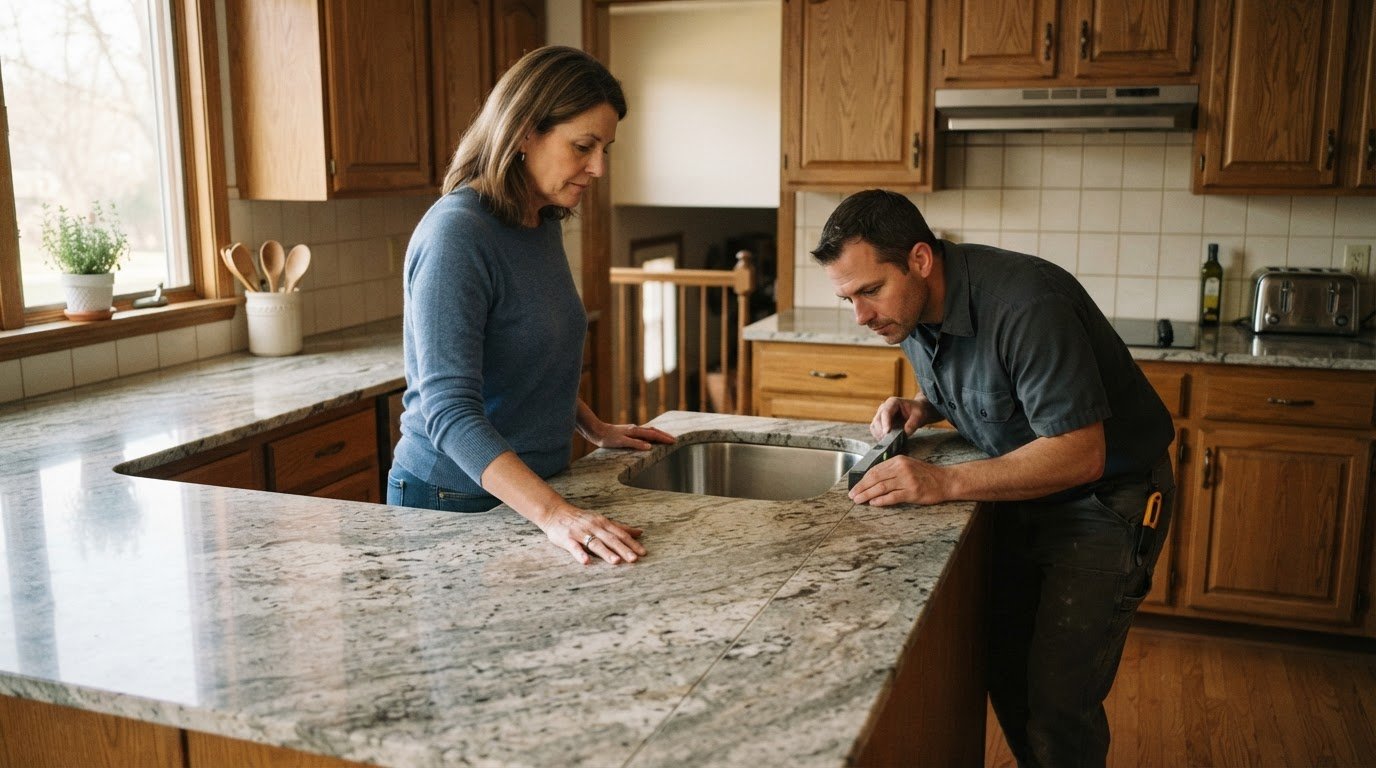
Countertops and Cabinetry By Design takes kitchen and bathroom countertop projects from selection through installation. Once you’ve reviewed quotes and understand what each contractor includes, define the surface, design, and project scope. The team offers marble, quartzite, quartz, and granite countertops, with design, material selection, fabrication, and professional installation by its in-house craftsmen.
This is a natural fit when your remodeling plans involve choosing and installing a new countertop, rather than buying materials alone. Bring your project goals and preferred look to the conversation, then align those choices with a clearly defined scope. A focused plan makes it easier to understand the work and how the selected surface will fit the space.
Contact Countertops and Cabinetry By Design to discuss your countertop project.
Make your next remodeling decision with confidence
A disciplined approach to avoiding contractor scams in Ohio does more than protect you. It gives you a clear basis for deciding what belongs in your home and how the work should take shape. Apply that same clarity to your priorities, from the room’s function to a surface that suits its design.
For a countertop project, Countertops and Cabinetry By Design offers marble, quartzite, and quartz countertops. Start with a focused conversation about your project goals and the look you want to achieve. Clear decisions now can help turn a remodeling plan into a space that feels intentional and personal.
Contact Countertops and Cabinetry By Design to discuss your countertop project. Move forward with a defined vision and confidence in your next decision.
Frequently Asked Questions
How can Ohio homeowners verify a contractor’s license, registration, and insurance?
Match the contractor’s identification and business name to the documents provided, then confirm licensing or registration information with the Ohio Department of Commerce or Ohio Secretary of State’s Office. Ask for proof of workers’ compensation insurance and call the liability insurer to verify coverage. A license indicates that exams and other competency requirements were met; registration records contact information with a government authority.
Which Ohio contractor licenses and registrations are required for different types of home repairs?
Ohio’s Department of Commerce and Secretary of State’s Office provide information about contractor licensing and registration. The key distinction is that a license reflects exams and other requirements demonstrating competence, while registration means contact information was provided to a government authority. Check requirements for the specific trade and location instead of assuming registration alone is a trade license.
How can I check Ohio contractor complaints, lawsuits, and disciplinary records?
Search for contractor complaints through the Better Business Bureau and Ohio Attorney General’s Office, and search online for the business and people involved. For lawsuits or disciplinary records, search using the exact legal business name and individual names, then distinguish allegations from formal findings. Compare any results with the contractor’s explanation and project references. A complaint by itself doesn’t establish that a claim was proven.
What are typical contractor deposit limits and payment schedules in Ohio?
Ohio’s Attorney General recommends a payment schedule of one-third at the start, one-third after half the work is satisfactorily completed, and one-third when the job is finished. This is a recommended installment approach, not a stated statewide deposit limit. Negotiate the smallest practical down payment, avoid paying cash, and tie later payments to documented project progress rather than calendar dates alone.


Comments